



ECHÚ AFRÁ, THE MESSENGER AND GUARDIAN OF BABALÚ-AYÉ
Babalú-Aye (Asojano) is usually given with Afrá, who is also born in this sign. This story explains how Babalu-Aye came to the land of the Ararara and the role of cundeamor.
Changó was returning from war and passed a garbage dump on the edge of the town of Osá-Yekú. There, he found a ragged, sick, old man. Changó sent his lieutenant to bring food and water to the old man. After installing his enormous army at the town of Obara-Koso (a nickname for Obara-Irozo), Changó returned to the place where he left the old man, who was none other than Asojano, and directed him toward a narrow pass. Changó told him to go through the pass and put on a cape made of tiger skin (some say leopard skin) that Asojano would find at the other end. Changó also told him that he would find a boy who would give him water and point out certain herbs that Asojano could use to heal sores and other illnesses. The boy was none other than Elegguá Echú Afrá, and he pointed out cundeamor, aguedita, zarzafrán, mangle rojo, and hierba de sangre, among others.
While Asojano worked hard to go through the pass and find the boy, Changó took another road to the land of the Arará and gathered together the people, who had dispersed and fallen ill because of the war and the loss of their beloved king. When Changó arrived among the people called the Anai, he told them that through the narrow pass would come their new king. He would be wearing a tiger-skin cloak and would cure all their ills. Since they loved and respected Changó, the people went to meet their king. Asojano had come through the pass, but he was so weak that he had laid down in a wooded place. Changó threw a lightning bolt and split open the top of palm tree but nothing happened to Asojano.
The people were in awe, and Asojano expressed his gratitude to Changó, who explained that even he himself did not know the extent of curative powers. Asojano began to use the herbs that Afrá had given him, healing people and proving his aché. The people carried him to the throne and crowned him king of Dahomey. Changó was preparing to leave and enjoying a last meal of ram. Asojano said, “As long as the world is the world, I will respect the ram and leave it for you. You will always eat before me in homage and gratitude for all that you have done for me.” Changó responded, “I am very grateful and as long as the world is the world, I will respect give you the goat and leave it for you.”
This is an important story for many reasons—and curious too. It is interesting to note that many tratados summarize this odu by saying “Where Obatalá visited the land of the Anai.” And in some versions, Changó sends Obatalá ahead of Asojano to prepare the Arará. Some elders also state that this sign explains why Asojano has a crown with tiger or leopard skin; this is the birthplace of the frontíl of Asojano, his beaded and cowry-encrusted tiara. The centers of the fronds of the corojo palm, Acrocomia crispa, are used to manufacture the já. Obviously, this sign also explains the tradition of feeding Changó before Asojano whenever the latter is given to a person.
http://baba-who-babalu-santeria.blogspot.com/2010/05/echu-afra-messenger-and-guardian-of.html
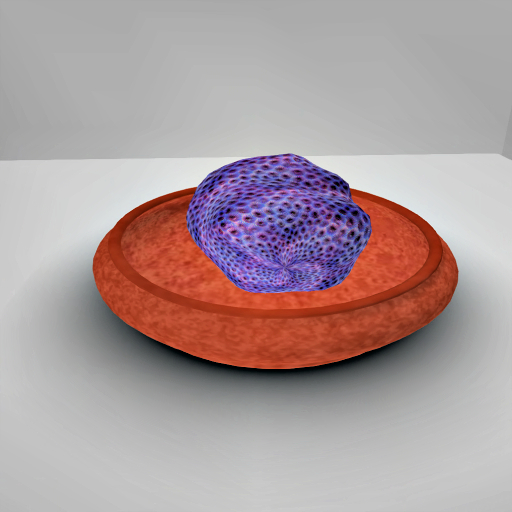
See item in Second Life- Piece of coral in terracotta dish
- Afra walks with Babalu-Aye (Asojano)
- Afra is a form of an Elegua or Echu-Afra
- Afra is a guardian and guide of Babalu-Aye

